


Bathrooms are the perfect microclimate for fungi: warm, wet, and often poorly ventilated. Wondering what antifungal treatment can and cannot do in this space?
In this 2026 guide, you will learn how to treat skin infections in the shower area, when products for tiles and grout help (and when they don’t), and the practical steps to reduce humidity so fungi have nowhere to thrive.
Bathroom fungi: scope and limits
Fungi in a washroom show up in two ways: on people (athlete’s foot, ringworm, tinea versicolor) and on materials (mold on grout, silicone, and curtains). Antifungal therapy works differently on skin versus surfaces.
- Topicals help most mild skin infections on feet and groin when used as directed.
- Oral drugs may be needed for severe, recurrent, or widespread disease, guided by a clinician.
- Bathroom mold is treated with cleaning, drying, and fixing leaks—not human antifungal creams.
- Without humidity control, infections and mold often come back after treatment.
| Use case in a washroom | Effective treatment vs. key limitation |
|---|---|
| Athlete’s foot from damp floors | Antifungal cream works; relapse likely if toes stay moist or floors remain wet. |
| Ringworm on body after shared towels | Topical agents help; must disinfect linens and keep the bathroom dry to prevent spread. |
| Mold in grout and silicone | Cleaning + drying + leak repair; antifungal skin meds have no role on materials. |
| Recurrent “rash” from wipes or fragrances | Stop irritants first; antifungal treatment fails if dermatitis is the true cause. |
Bathroom humidity fuels recurrences. Without drying and ventilation, skin symptoms often return within weeks.
Takeaway: pair medical care for skin with moisture control for the room. That dual track stops the “treat-improve-relapse” cycle.
Surfaces and materials: real solutions
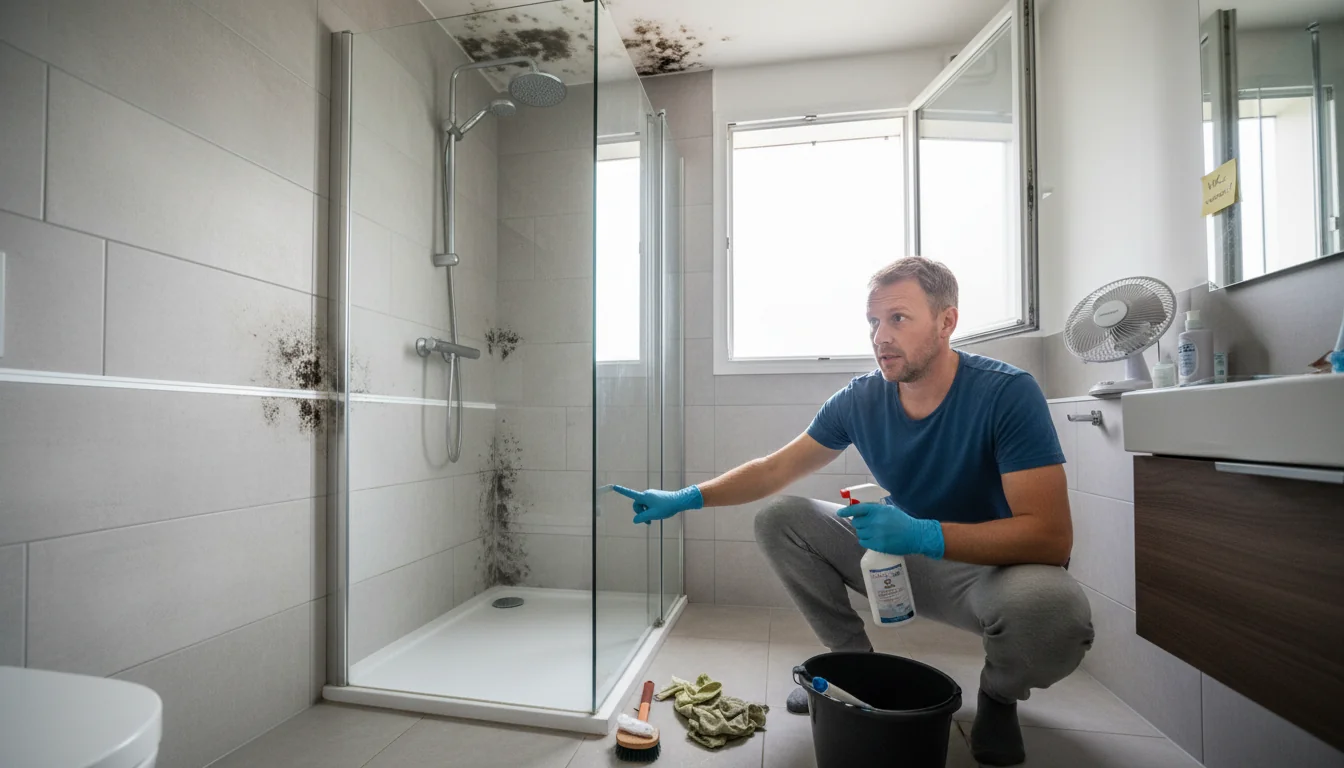
Tiles, grout, caulk, and curtains collect biofilm when the shower stays wet. Surface mold is a building problem first, then a health problem for sensitive people.
- Fix leaks and improve exhaust; clean with detergent, then disinfect as needed.
- Dry visible moisture within 24–48 hours after heavy use, especially after guests.
- Replace porous items (moldy rugs, curtains) that cannot be fully cleaned.
- Choose quick-drain accessories to reduce standing water on floors.
Clean first, then disinfect. Dirt shields fungi from disinfectants. Rinse and dry thoroughly.
To keep the shower zone drier between uses, consider a square 60×60 non-slip mat that promotes drainage and grip, reducing puddles that fuel growth.
Do not rely on skin antifungal creams for grout or silicone. They are not formulated for materials and won’t fix moisture sources.
If odors persist despite cleaning, check fan performance and door undercuts; many “mold problems” resolve once airflow is restored.
Feet, skin, and the shower floor
Warm, wet floors invite tinea (athlete’s foot, ringworm). Infections spread via skin flakes, shared towels, and damp mats that don’t dry quickly.
- Use an antifungal cream for mild athlete’s foot; continue 1–2 weeks after skin clears.
- Dry between toes; avoid moisturizers there; rotate shoes to dry fully.
- Wash towels on hot; don’t share items in the restroom or locker room.
- For sports, lesions often need 72 hours of therapy before returning, and they must be covered.
Over-the-counter antifungal products help mild tinea. See a clinician if nails, scalp, or large areas are involved.
Keeping feet dry right after bathing lowers risk. A quick-drying exit rug helps—look for strong grip and drainage like bath mat that limits splash and slippage.
Wash your hands after using the bathroom and after applying creams; this reduces spread to other body sites.
Remember: antibiotics treat bacteria, not fungus. For ringworm or athlete’s foot, stick to antifungals; reserve antibiotics for bacterial complications only if advised.

Toileting, wipes, and irritation traps
Many “yeast-like” symptoms in the restroom are actually contact dermatitis. Scented wipes, bleached paper, deodorants, and harsh cleansers can inflame delicate skin.
- If itching started after changing toilet tissue or wipes, stop the new product first.
- Do not self-diagnose every itch as yeast; half of OTC users in studies did not have candidiasis.
- Use unscented products; rinse with lukewarm water and pat dry.
- If symptoms persist, seek clinical assessment before more medication.
Antifungal medications won’t soothe chemical irritation. Removing the culprit wins; creams may even aggravate dermatitis.
Household hygiene matters too: only toilet paper and human waste should be flushed. Don’t flush medicines or wipes—modern treatment removes a lot, but not all, and clogs plus microplastics remain an issue.
Store medicines at room temperature, away from moisture—not in the bathroom cabinet—to protect potency.
Ventilation, drying, and safer choices
Antifungal treatments fail quickly if the wet room stays humid. Mechanical changes cut the relapse rate more than any cream alone.
- Run the exhaust fan during showers and for 20–30 minutes after.
- Keep indoor humidity under 50%; use a hygrometer and dehumidifier if needed.
- Open shower doors or curtains fully to dry; launder mats and towels frequently.
- Select fast-drying accessories that drain, not sponge, water.
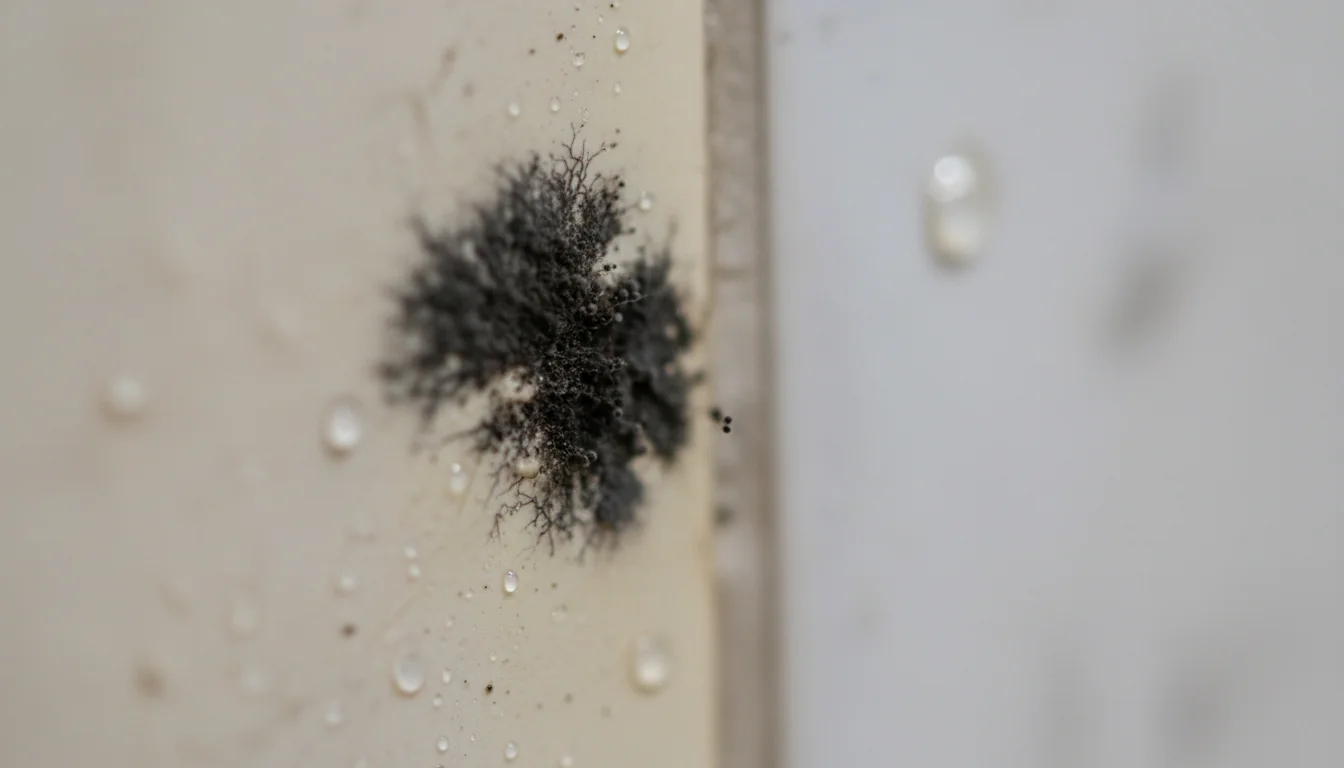
After soaking events, mold can start within 24–48 hours if materials don’t dry. Speed matters.
For households with fall risk or balance issues, reducing wet contact time and improving grip is vital. Consider non slip shower mat for elderly that supports stability while encouraging quick drainage.
At home, keep drugs and herbs and supplements in a dry room; moisture degrades labels, blisters, and contents.
When medication is the right call
Use medication when a fungal infection is confirmed or highly likely. Common bathroom-linked scenarios are tinea pedis (feet), tinea cruris (groin), and ringworm on the body.
- Antifungal treatment options include topical azoles or allylamines for localized disease.
- Oral agents (for example, oral fluconazole in select cases) are clinician-directed when disease is extensive or recurrent.
- Antifungal creams may weaken latex; consider alternatives for barrier protection during use.
- If symptoms persist despite correct use, reassess: wrong diagnosis, poor adherence, or a humid restroom environment may be to blame.
Immunocompromised people and those with severe symptoms should seek medical care promptly; invasive disease requires urgent, specialized therapy.
Apply topicals after bathing, once skin is fully dry. Treat beyond the rash margin and continue as directed to reduce relapse in the shower environment.
Guide 2026: cut bathroom fungal load
- Fix moisture: run the fan, crack the door, and open the curtain fully post-shower.
- Clean weekly: detergent first, then targeted disinfectant; rinse and dry.
- Dry textiles: rotate towels daily; launder hot; replace slow-drying rugs.
- Foot care: dry between toes; apply antifungal cream if needed; wear sandals in public showers.
- Declutter shelves: reduce bottles that trap residue and impede drying.
Choose draining platforms over sponges; less water contact equals fewer fungal niches.
For wide walk-in showers, a larger drainage footprint like grey shower mat can reduce puddles where biofilm accumulates.
Don’t store drugs in the washroom or flush unused medicine; use take‑back programs and keep storage dry.
Do bathroom products cure mold on grout?
Antifungal skin medicines do not. Clean with detergent, then disinfect, fix leaks, and dry surfaces. Replace mold‑soaked sealant if staining persists.
Are OTC creams enough for shower‑related athlete’s foot?
Often yes for mild cases. Apply twice daily and continue after clearing. If nails, scalp, or large areas are involved, seek medical guidance for oral therapy.
Why do symptoms return in my restroom?
Humidity drives recurrence. Improve ventilation, dry fabrics quickly, and choose draining accessories. Reassess diagnosis if treatment keeps failing.
Do non‑slip mats help prevent fungal spread?
They help by reducing puddles and slips. Pick quick‑drain designs; a senior‑friendly choice like non slip shower mat for senior also supports safer footing.
Can I treat a “yeast” rash from wipes?
If an irritant is the trigger, antifungals won’t fix it. Stop scented items, rinse gently, and get assessed if symptoms persist or worsen.
Where should I keep bathroom medicines?
Store at room temperature in a dry room, not the bathroom. Moisture degrades packaging and may shorten shelf life or reduce potency.
When do I need oral antifungals?
For extensive tinea, recurrent ringworm, or nail/scalp disease. A clinician confirms the diagnosis and monitors for side effects and interactions.
In bathrooms, antifungals work best when paired with moisture control. Treat the infection and the environment to break the cycle.
- Treat skin correctly: right agent, right duration, right hygiene.
- Dry the room: ventilation, quick‑draining accessories, fast laundry turnover.
- Eliminate irritants: unscented products, no wipes or drugs in the toilet.
Apply this 2026 approach and your shower area stays cleaner, safer, and far less welcoming to fungi.

0 comments