


Drainage shapes how water moves, where it settles, and what it carries. If you’ve ever wondered what drainage really means—and how it affects flooding, quality, and safety—this 2026 guide goes straight to the point.
What is the precise definition, and how does it influence water drainage across farms, cities, roads, and mines? You’ll learn the core concepts, design basics, and practical actions to reduce risk and protect water.
Expect clear definitions, actionable checklists, and concise advice grounded in standard drainage manuals and current practice. Let’s unpack “drainage: definition and impact on water drainage” in plain language.
Core meaning: how water moves
In the hydrologic sense, drainage means the controlled removal, conveyance, or infiltration of excess water from land. It governs runoff, subsurface flow, and discharge to streams, lakes, and aquifers—ultimately shaping flood peaks and baseflow.
- Key definition: the intentional management of surface and groundwater to protect people, soils, and assets.
- Surface pathways include gutters, swales, ditches, culverts, and channels that route storm water.
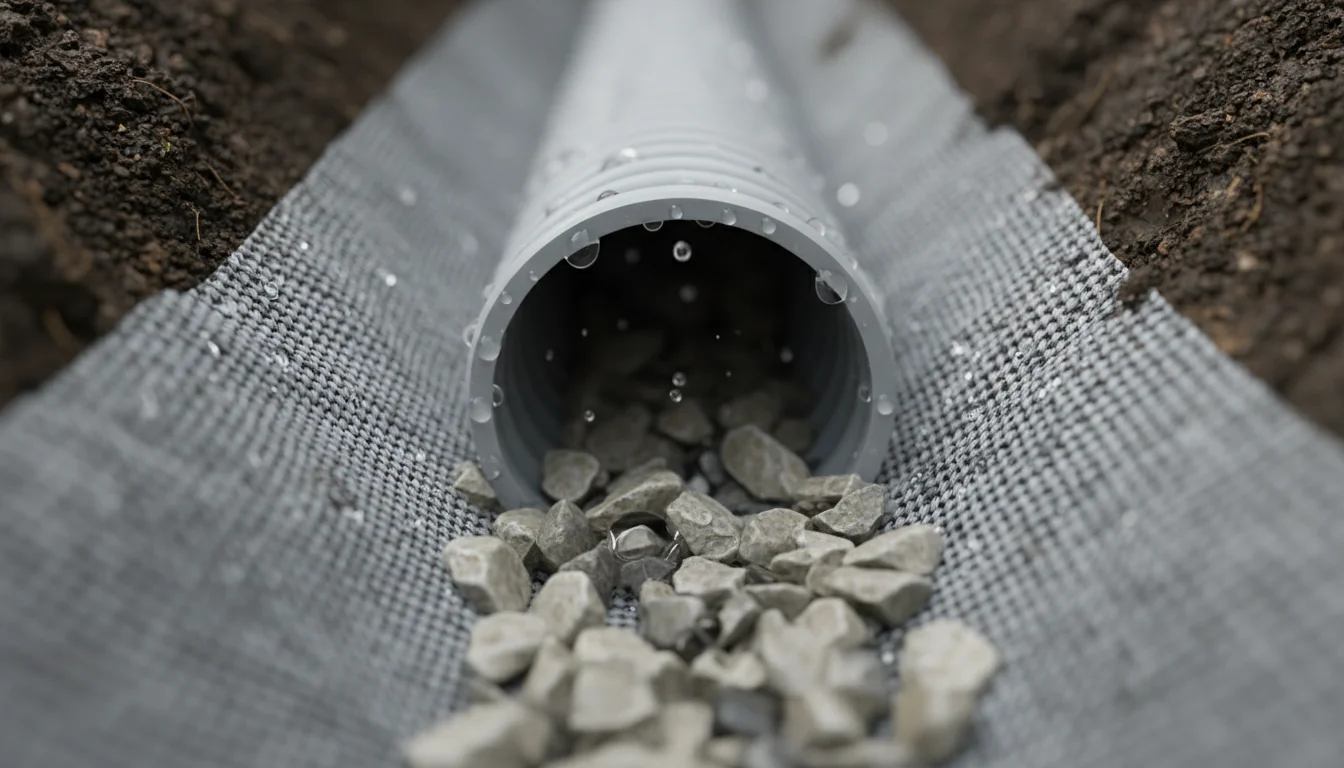
- Subsurface routes include perforated pipes (“tile”) and drains that lower the water table.
- Discharge is the outflow rate to a receiving water or a utility system.
- A watershed (drainage basin) collects precipitation and directs it to an outlet point.
Impervious surfaces sharply increase runoff. Even small changes in cover can shift peak discharge and water quality in nearby streams.
Understanding this foundation helps you judge when a site needs conveyance, storage, infiltration—or a blend—to manage the and impact water drainage safely.
Urban outcomes: flood and quality
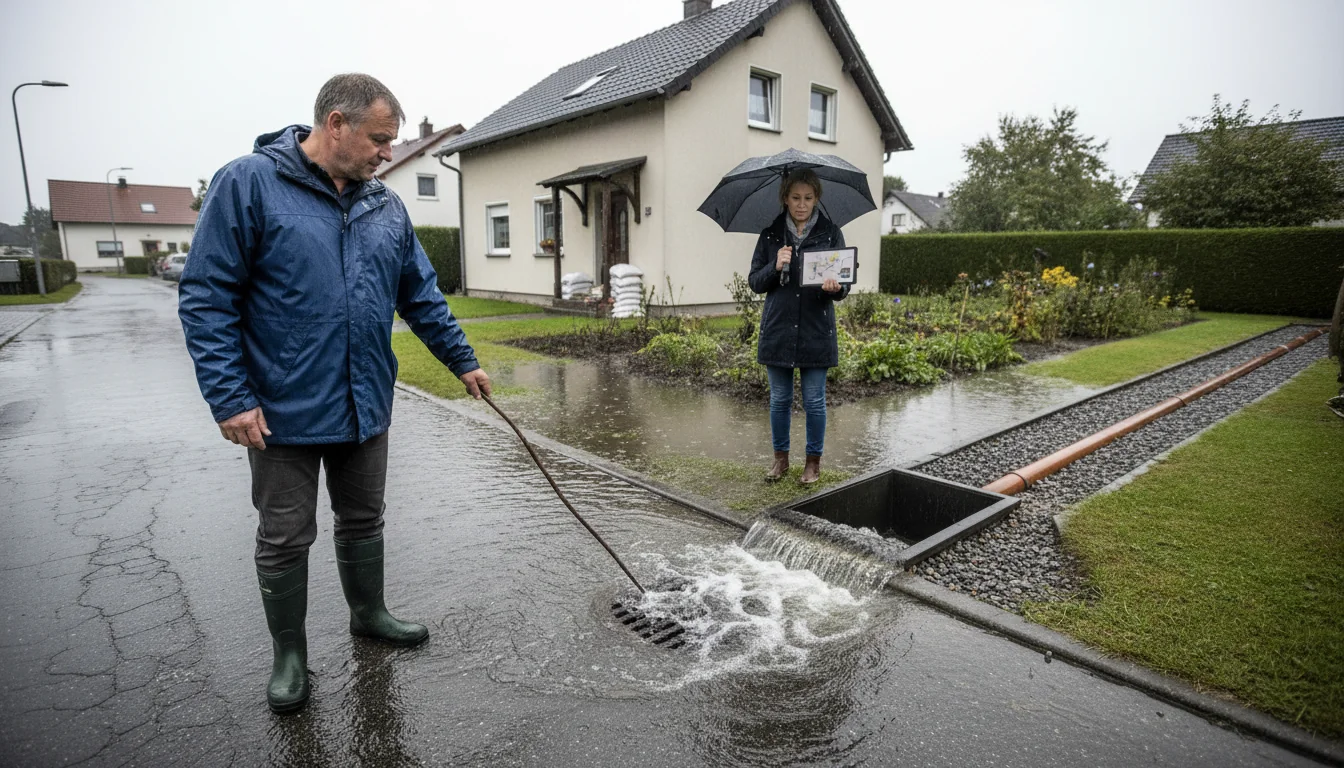
In towns and cities, drainage design tackles two things at once: the quantity of stormwater (volumes and peaks) and the quality of what flows off streets, roofs, and yards into water bodies.
- Conventional networks focus on fast conveyance—storm drains, pipes, and outfalls.
- Detention and retention moderate peak flows, protecting downstream channels.
- Low Impact Development and SuDS spread small controls across a site to mimic natural infiltration.
- BMPs like bioretention, filter strips, and permeable pavements target pollutants at the source.
- Blockage at curb inlets can rapidly overwhelm streets; maintenance is non-negotiable.
| Practice | Effect on water drainage |
|---|---|
| End-of-pipe detention | Cuts peak discharge; limited pollutant removal without pretreatment. |
| Green Infrastructure / LID | Boosts infiltration, lowers volumes, and filters pollutants near the source. |
| Permeable paving | Reduces runoff and restores some groundwater recharge. |
| Regular inlet cleaning | Prevents debris-related surcharging and street flooding. |
Where feasible, manage storm water as close to where it falls. Distributed controls tame “first flush” pollution and ease pipe loads.
Modern codes increasingly require a “no net negative” approach to volume, flow rate, and pollutant loads to protect receiving systems.
Farms and fields: subsurface realities
Agricultural drainage removes excess soil water to improve trafficability, root aeration, and timely planting. Subsurface tile drains lower the water table; surface ditches and land shaping move ponded water off fields.
- Subsurface tile increases infiltration capacity by keeping pore space unsaturated during storms.
- Benefits: earlier field access, reduced compaction, and more stable yields on poorly drained soils.
- Trade-offs: increased nitrate export, flashier downstream hydrographs, and wetland hydrology impacts.
- “Lateral effect” and setbacks help estimate how drains lower nearby water tables, including at wetland edges.
- Edge-of-field practices (saturated buffers, bioreactors) mitigate nutrient losses from tile drainage.
Regulation may apply before altering natural drainage. Confirm easements, wetlands status, and downstream capacity before installing new drains.
Because soils vary, spacing and depth of drains depend on conductivity and restrictive layers. Clayey soils often need closer spacings than sandy soils to achieve the same drawdown.

Special cases: wells, mines, highways
Some drainage contexts carry elevated risk. Drainage wells, mine runoff, and highway systems each pose distinct challenges for water quality and downstream stability.
- On Jan 5, 2026, updated UIC guidance highlighted when storm water drainage wells fit the definition requiring specific controls.
- Acid mine drainage forms when sulfide minerals oxidize, acidifying water and mobilizing metals.
- Highway drainage blends open ditches and inlets; design must check downstream effects and allowable headwater at culverts.
- Utility-style “drainage reserves” protect natural drainageways and maintain conveyance and water quality.
- Blockage risks escalate where debris accumulates, especially at combination inlets and curb openings.
Where infiltration is unsuitable, pretreatment and controlled discharge are critical to protect aquifers and streams.
These cases remind us that drainage is not just hydraulics; it is also about safeguarding public waters and long-term ecosystem function.
Design basics: from Q=CiA to checks
Even simple projects benefit from standard hydraulic procedures. For small catchments, the Rational Method estimates design discharge; for larger basins, regional equations and hydrologic modeling are used.
- Runoff coefficient (C) reflects imperviousness and slope; use weighted values for mixed land cover.
- Rainfall intensity (i) comes from local IDF curves tied to time of concentration.
- Area (A) requires careful delineation; verify automated watershed boundaries.
- Compute overland, shallow concentrated, and channel times to set design duration.
- Always assess outlet capacity, tailwater, and downstream channel stability.
Detention smooths peak flow; retention provides storage with infiltration or reuse. Many manuals now tie both to water quality performance.
Add a Drainage Impact Study (DIS) where codes require it, and include a Water Quality Impact Study when receiving waters are sensitive or impaired.
Standards: avoiding adverse impacts
Drainage policy centers on preventing harm. Many authorities apply a “no adverse impact” principle, requiring projects to avoid raising flood levels, eroding channels, or degrading water quality off-site.
- If a project can substantially affect a public water, the drainage authority may require mitigation.
- Professional judgment weighs hydrology, morphology, and aquatic biology—not just a single metric.
- Urban codes often define “discharge,” “conveyance,” “drainageway,” and “drainage reserve.”
- Drainage utilities fund upkeep for storm drains, ditches, and water quality facilities.
- Watershed-scale plans prioritize Green Infrastructure to manage cumulative impacts.
Demonstrating “no adverse impact” is broader than matching pre- and post-runoff. Consider erosion potential, pollutant loads, and downstream storage loss.
Clear criteria, transparent setbacks, and maintenance plans all help ensure that drainage systems function as intended over time.
How to assess site drainage: a quick guide
Use this five-step, field-ready method to review drainage on a parcel, street, or facility in 2026. Keep notes, photos, and simple sketches for your records.
- Map the drainage area. Mark impervious zones, slopes, and probable flow paths to outfalls.
- Identify controls in place. Note inlets, ditches, swales, ponds, filters, or permeable surfaces.
- Check conveyance condition. Look for debris, blockage, scour, or failing joints.
- Test infiltration. Quick checks with ring tests or percolation basins inform feasibility.
- Estimate peaks. For small sites, apply Q=CiA; then evaluate safe release and water quality.
Photograph inlet grates and outfalls before and after storms to document performance and sediment buildup.
For more information on accessible bathroom to learn more A simple non-slip solution—like a compact corner anti‑slip mat—helps keep floors drier and reduces runoff to adjacent rooms.
What does drainage mean in practice?
It is the planned movement and control of excess water—on the surface and below ground—so sites remain safe, stable, and usable. It covers conveyance, storage, infiltration, and controlled discharge to receiving systems.
How does it compare with simple grading?
Grading guides water, but drainage integrates flow rates, detention, pretreatment, and water quality goals. Unlike basic re-shaping, modern drainage aims to reduce peaks and filter pollutants before release.
What are the advantages of subsurface tile?
Lower water tables, better root aeration, earlier field access, and less compaction. The trade-off is increased nutrient export unless mitigated by buffers, bioreactors, and on-field conservation measures.
Does urban drainage affect water quality?
Yes. Runoff can carry sediments, nutrients, and hydrocarbons. LID, bioretention, and permeable surfaces reduce pollutant loads while moderating volume and peak discharge.
When is infiltration not appropriate?
Avoid near high water tables, contaminated soils, steep slopes, or foundations without protection. In these cases, choose pretreatment plus controlled discharge to a safe receiving system.
How do I prevent adverse downstream impacts?
Match or cut peak flows, retain smaller storms, filter pollutants, and confirm channel stability. Many jurisdictions require demonstrating “no adverse impact” across these dimensions.
Why is acid mine drainage a concern?
It acidifies water and mobilizes metals, harming streams and aquifers. Prevention focuses on isolating sulfide materials, controlling oxidation, and treating contaminated flows before discharge.
In 2026, drainage is best understood as a system that governs volumes, timing, and water quality—from roof to river and root zone to aquifer. Getting it right protects communities and ecosystems.
- Design for peaks and pollutants with distributed, maintainable controls.
- Balance surface and subsurface paths to stabilize flows downstream.
- Document “no adverse impact” using clear hydrologic and water quality checks.
Apply these principles, and your drainage choices will stand up to storms, scrutiny, and time.

0 comments