


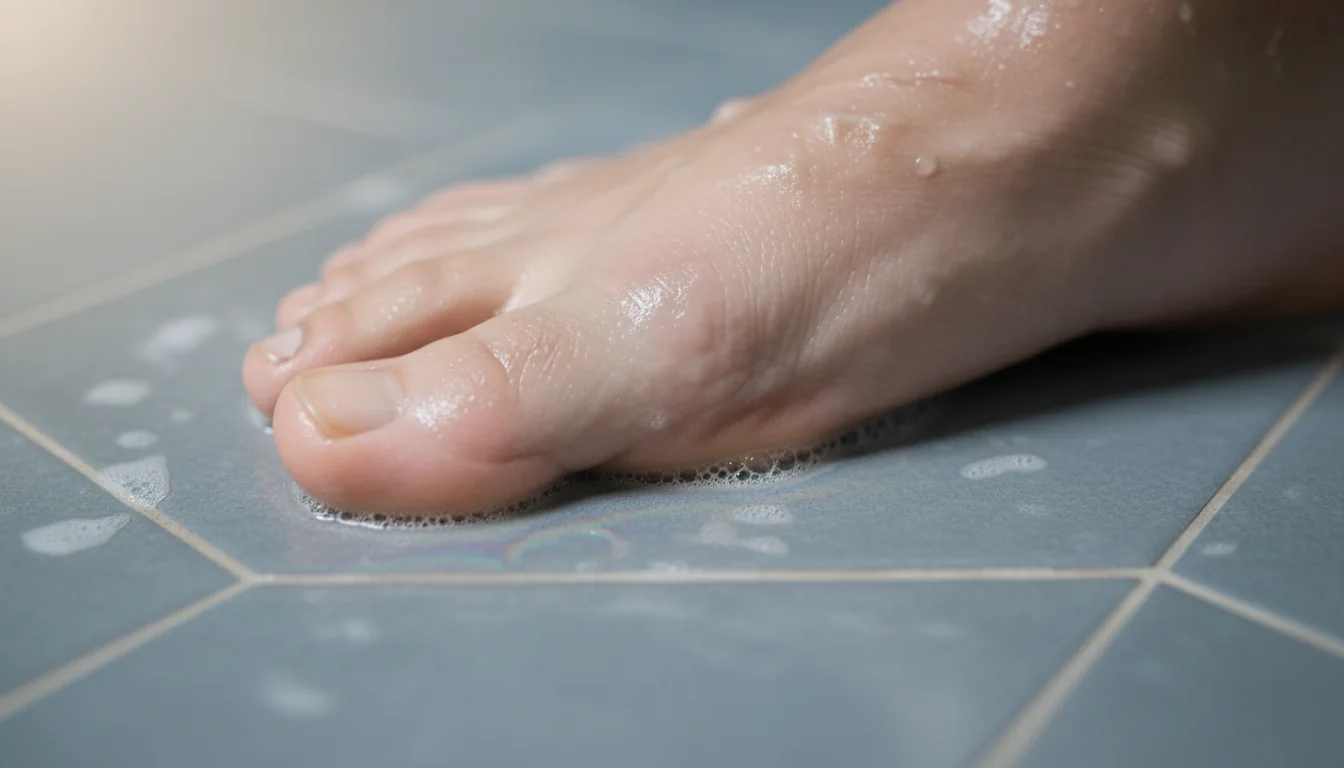
Wet tile turns everyday movements into a precarious balancing act. One misstep in the bathroom, kitchen, or entryway can lead to a painful fall.
Looking for clear, practical solutions you can apply today? In this 2026 guide, you’ll find home-focused remedies that boost grip, improve visibility, add supports, and shorten drying time—so you can move with confidence instead of caution.
What’s inside: fast-acting fixes, durable upgrades, and maintenance tactics that work together as a complete set of solutions for wet tiles at home.
Grips that work: floor upgrades
Start where the slip starts: the surface. Polished tiles look sleek but offer little traction when wet. Favor textures, micro-rough finishes, and grout patterns that add friction without trapping dirt.
- Matte porcelain or textured ceramic tiles improve wet grip. Look for a wet DCOF near 0.42 or higher for safer footing.
- Choose smaller formats (e.g., mosaics) where more grout lines increase traction in showers and at sinks.
- Use non-slip underlays beneath washable rugs; ensure beveled edges to reduce trip risk.
- At doorways, add textured threshold strips to reduce the leap from wet outdoors to slick indoor tile.
- For natural stone, pair sealing with a grit-enhanced topcoat designed for wet areas.
Upgrade in zones, not everywhere. Prioritize “splash zones”: shower floors, in front of vanities, kitchen sinks, cooktops, and the inside of main entries.
Use this simple table to judge common surfaces in wet conditions.
| Surface | Wet traction (general) |
|---|---|
| Polished porcelain/stone | Low—avoid in splash zones |
| Matte porcelain | Good—balanced grip and cleaning |
| Textured ceramic | Better—micro-rough surface aids traction |
| Stone + anti-slip topcoat | Variable—depends on product and prep |
Grout choice matters. Slightly wider joints with sanded grout add micro-edges that improve grip, especially on shower floors.

Safer steps: bathroom and shower
Most slips happen where water meets hard tile. Focus your home solutions here first, especially for seniors and anyone with balance concerns.
- Grab bars anchored into studs beside the toilet, at shower entry, and on the wet wall. Avoid suction-only versions.
- A shower seat or bench reduces one-legged balancing; choose textured tops and open frames for drainage.
- Low-step or curbless entries remove the “high step” hazard; add a linear drain and slope for fast runoff.
- Non-slip mats inside and outside the shower; wash weekly to prevent soap-film slickness.
- A shaving foot rest in the shower prevents precarious balancing on wet tile.
Place the first grab bar where a wet hand naturally reaches during a slip—usually at the entry edge and the main shower wall, around 33–36 inches from the floor.
These bathroom-focused solutions outperform ad‑hoc fixes because they reduce both the chance of slipping and the severity of a slide if it happens.
Quick traction: coatings and tapes
When replacement isn’t on the table, surface treatments provide immediate gains. They’re among the fastest home solutions for wet tiles in kitchens, baths, and laundry rooms.
- Clear anti-slip coatings with fine mineral grit add invisible texture; ideal for polished porcelain.
- Acid-free “etch” treatments micro-texture glazed surfaces. Always test on an inconspicuous area first.
- Adhesive traction treads or disks for tubs and smooth tiles; align in footfall paths.
- Degrease before application; soap film and oils block adhesion and reduce effectiveness.
- Plan for reapplication—coatings and tapes wear on busy routes and cleaning cycles.
Mask off “walk lanes” and coat only those strips to preserve aesthetics while delivering grippy footing where you actually step.
Slip risk spikes when there’s a precarious balance between moisture supply and evaporation. Improve ventilation and airflow to dry tile faster after showers or mopping.

Smart habits: daily drying routine
Even the best hardware needs a routine. Short, consistent actions remove the thin water films and soap residues that make tiles treacherous.
- After bathing, squeegee the shower floor and walls; hang the curtain fully open to air dry.
- Run the exhaust fan for 15–20 minutes to lower humidity; crack the door for cross-ventilation.
- In kitchens, wipe spills immediately; keep a microfiber towel at the sink for quick mop‑ups.
- Rotate and wash rugs weekly; trapped detergents act like lubricant underfoot.
- Park wet shoes at the entry; place a tray or mat with ridges to capture runoff.
Soap scum lowers friction. Use a neutral cleaner and rinse well—harsh residues can make “clean” floors more slippery.
These everyday measures are low-cost solutions that, combined with surface upgrades, cut risk dramatically—especially for seniors and children.
Light and layout: visibility gains
Poor lighting, glare, and clutter turn a wet floor into a hidden hazard. Improve what the eye sees and where the foot lands.
- Add nightlights or motion LEDs along paths to the bathroom and kitchen.
- Contrast strips at step edges and shower thresholds help depth perception.
- Tuck cords, use low-profile cable channels, and clear narrow routes.
- Soften glare on glossy tile with diffused fixtures and matte wall paints.
- Place a chair or bench near wet zones so no one stands on one leg to dry feet.
Use warmer bulbs (lower glare) and place lights to avoid mirror reflections bouncing onto wet tile.
Some indoor-air strategies double as safety solutions: better airflow dries floors faster and reduces mold-friendly dampness.
Support hardware: rails and aids
Secure supports convert slips into recoverable stumbles. Install where wet tile meets tight turns, steps, and stand-up tasks.
- Handrails on both sides of any steps inside the home—yes, even the two-step drop to a sunken room.
- Toilet safety frames for sit-to-stand support; check clearance and adjust to user height.
- Slip-resistant anti-fatigue mats where you stand longest (sink, cooktop, vanity) with beveled edges.
- A stable shower footrest for shaving or foot care; mount at a height that avoids hip rotation.
- Where needed, seek guidance from home health or occupational therapy on placement and sizing.
Mount bars into studs or use rated anchors for tile and masonry. Aesthetic rails that wobble are worse than none.
These supports are enduring home solutions that shine where other options show limits, especially during fatigue or illness.
How to build a safer-wet-tile plan
Turn ideas into action with this short, repeatable process. It aligns quick fixes with durable remedies for a complete set of solutions.
- Map risks: note every spot you’ve slipped or hesitated on wet tile.
- Pick fast wins: apply treads or coatings on the top two zones today.
- Add supports: place grab bars, a seat, and a footrest where you turn or balance.
- Improve drying: set a 60‑second squeegee habit and extend fan run-time.
- Review quarterly: replace worn treads, recoat high-traffic paths, and adjust lighting.
One-in, one-out policy: every new rug enters with an underlay and a calendar note to wash it weekly.
Relying only on bath mats. They help, but the best solutions combine traction, supports, drying, and light.
Why are wet tiles so slippery?
A thin water layer and soap film reduce friction, especially on polished surfaces. The right surface solutions add micro-texture so shoes and bare feet can grip even when damp.
What’s the fastest fix I can do today?
Degrease, then apply clear anti-slip treads where you step most. Follow with a 60‑second post-shower squeegee. These two solutions deliver immediate traction and faster drying.
Coatings vs. new tiles: which is better?
Coatings are quick, affordable, and reversible. Re‑tiling with matte or textured finishes is the longest-lasting remedy. Many homes use both: coatings now, new surfaces later.
What should seniors prioritize?
Anchored grab bars, a shower seat, nightlights on routes, and high‑contrast threshold markers. These targeted solutions reduce both slip risk and injury severity.
Are etching treatments safe for stone?
Test first and follow instructions. Some stones react unpredictably. Consider a grit topcoat instead, and clean with neutral pH products to maintain texture.
Do rugs fix the problem on their own?
Helpful, but incomplete. Pair rugs with underlays, add traction strips where you step off them, and keep a drying routine. Layered solutions work best.
Who can help with placement of supports?
Home health or occupational therapy can advise on bar heights, angles, and locations. This guidance tailors solutions to real movement patterns at home.
Wet tile doesn’t have to mean precarious balance. Pair fast traction boosts with durable upgrades, clear sightlines, and solid supports for a safer, calmer home in 2026.
- Layer fixes: surface grip, supports, light, and drying.
- Prioritize zones: showers, sinks, cooktops, entries.
- Keep it up: reapply, rewash, and recheck quarterly.
Choose the solutions that fit your rooms and routines, and take the slide out of everyday steps.

0 comments