


Wondering what the R10/R11 rating on anti-slip floor tiles is for? You’re not alone. The answer decides where a tile is safe to use, how it feels underfoot, and how it performs when wet.
In this 2026 guide, you’ll learn what R10 and R11 stand for, which rooms they’re for, how testing works, and how to balance safety with comfort and cleaning. Expect clear, room-by-room picks, a quick selection method, and practical upkeep tips.
Safety mapping: spaces they suit
Slip ratings exist to show which floors are safe for specific conditions. Think in terms of “for what exposure?”—dry, splash-prone, or constantly wet—and match the rating to the risk.
- R10 indoors fits areas prone to occasional splashes: kitchens, cloakrooms, hallways, utility zones, and guest WCs.
- For standard bathrooms used with bath mats, R10 can work. For walk‑in showers or wet rooms, step up to R11.
- Covered terraces, porches, and semi-exposed entries are suitable for R10 if rain exposure is limited.
- Fully exposed exteriors, steps, ramps, and pool surrounds call for R11 to maintain grip when wet.
- Busy commercial prep areas often need R12+, but R11 can serve in many high‑moisture corridors and wash zones.
Use this rule for choosing: R10 for “usually dry, sometimes wet”; R11 for “frequently or unpredictably wet.”
This “what it’s for” lens prevents over‑ or under‑specifying tiles and keeps maintenance realistic.

Grip science: ratings explained
R-ratings come from the DIN 51130 ramp test. A person walks on an oiled ramp in standard footwear; the angle at first slip defines the class.
- R10 = 10°–19° inclination: moderate slip resistance for splash‑prone interiors.
- R11 = 19°–27° inclination: higher resistance for wet rooms and outdoors.
- Barefoot areas use DIN 51097 groups: A/B/C (C is the grippiest) for pool edges and sloped entries.
- In North America, a common reference is DCOF ≥ 0.42 wet (ANSI A137.1) for interior floors with water exposure.
R-values and DCOF measure slip risk differently. Use the local standard your project is assessed against, then cross‑check with real‑world moisture and contaminants.
For decision-making, compare R10 vs R11 by angle range, texture, and typical placements:
| Use case | Best-suited rating |
|---|---|
| Dry interiors with occasional splashes (kitchen, hallway) | R10 (moderate texture, easy to clean) |
| Wet rooms, open showers, pool‑adjacent bathrooms | R11 (more pronounced structure) |
| Covered terraces, semi‑exposed entries | R10 (if rain exposure is limited) |
| Exposed patios, exterior stairs, ramps | R11 (for sustained wet conditions) |
Comfort balance: feel underfoot
Choosing “what it’s for” is also about comfort. More texture brings more grip but a rougher feel and trickier cleaning. Your goal is a safe, comfortable surface for real daily use.
- In family bathrooms used barefoot, R10 often feels smoother; R11 boosts security for open showers.
- For kitchens, R10 matte porcelain cuts slip risk from spills while staying practical to mop.
- For pool surrounds or exterior steps, R11 offers confidence in the rain or after a swim.
- More grout joints increase traction and drainage—mosaics are great for shower floors.
- Color matters for upkeep: mid‑greys hide marks better than very light or very dark tones.
Lab ratings don’t account for soaps, body oils, or cleaning residues. These reduce grip. Specify the right texture for the actual contaminants your space faces.
If you want comfort and safety together, R10 for most interiors and R11 for persistent wet exposure is a reliable pairing.

Material choices: finishes that work
Material and finish decide how a rating feels and lasts. Porcelain, ceramic, and stone can all be engineered for anti-slip performance; each has strengths for different uses.
- Porcelain (low water absorption, often 0.5% or below) is robust for kitchens, bathrooms, and exteriors in R10–R11.
- Ceramic suits interiors; choose matte or structured glazes to achieve the right slip resistance.
- Natural stone/terrazzo can be textured for grip; many installations benefit from sealers or specialist anti‑slip treatments.
- Finishes: matte and lightly textured for R10; structured surfaces for R11 and outdoor paving.
- For external pavers, thicker formats (e.g., 20 mm) improve stability; indoors, 9–12 mm is common.
More grout lines = more grip. In showers or ramps, smaller formats or mosaics can elevate safety without over‑texturing the tile.
If you inherit a slippery floor, professional micro‑etching or clear traction coatings can lift performance into the R10–R11 range for safer daily use.
Room decisions: fit‑for‑purpose picks
Use this “for each room” list to decide quickly. It aligns the rating with moisture, footwear, and cleaning reality in 2026 homes and small businesses.
- Bathrooms used with mats: R10; open showers and wet rooms: R11 (consider barefoot B/C where specified).
- Kitchens and utilities: R10 for spill resilience and easy maintenance.
- Entryways and hallways: R10 if dirt traps and mats are used; R11 where rain is tracked in.
- Living rooms and bedrooms: usually R9–R10; prioritize comfort and cleaning.
- Patios, exterior stairs, ramps: R11 for sustained wet exposure and inclines.
- Light commercial wash areas or changing zones: R11; heavy prep spaces often need R12+.
In 2026, many spec sheets list both an R value and a wet DCOF figure. Use both to verify suitability for your local guidelines and site conditions.
If torn between ratings, default to the safer option when frequent water or slopes are involved.
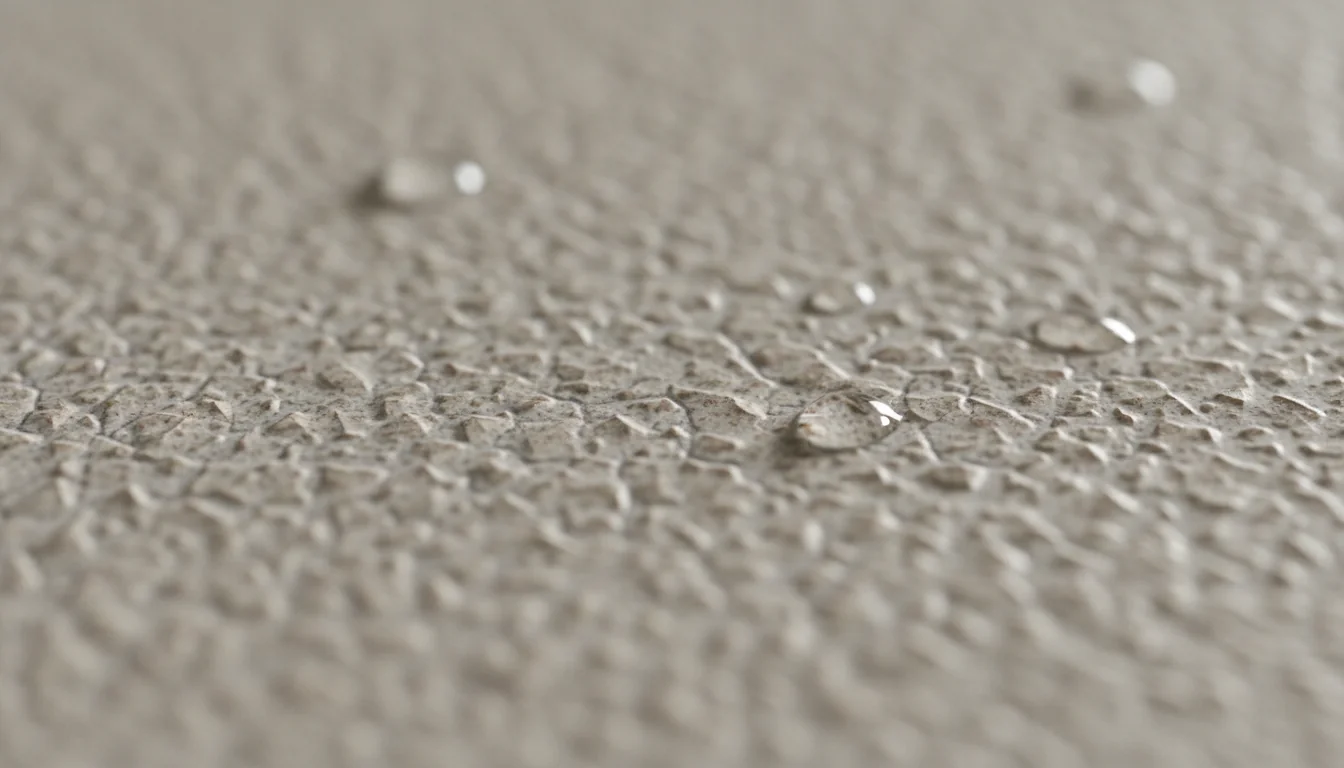
Upkeep matters: preserve the grip
A tile only delivers its rating if you maintain the surface. Cleaning choices can either protect or undermine slip resistance—especially for kitchens and showers. (learn more about natural cleaning methods)
- Degrease routinely in kitchens; oils flatten texture and raise slip potential.
- Use pH‑neutral cleaners; avoid waxes or gloss coatings that mask micro‑texture.
- Scrub textured zones with soft brushes; vacuum first to lift grit from pores.
- Seal cementitious grout to resist soap films and mildew; consider epoxy grouts in wet rooms.
- Outdoors, treat algae in damp seasons and rinse debris that reduces traction.
Avoid wax polishes. They can turn even structured R11 tiles into slippery surfaces. Keep the original matte or structured finish exposed.
If grip drops over time, ask a professional about micro‑etching or clear anti‑slip sealers calibrated for R10 or R11 outcomes.
Guide 2026: choose the right rating
- Define exposure: dry most days, splash‑prone, or frequently wet?
- Match the rating: R10 for splashes; R11 for sustained wetness or slopes.
- Pick texture and size: add grout lines for shower floors and ramps.
- Verify standards: R value and wet DCOF together for your region.
- Plan care: cleaners, brushes, and grout sealing appropriate for texture.
R10 for kitchens, hallways, and covered terraces; R11 for wet rooms, pool surrounds, exterior steps, and ramps.
Why choose R10 or R11—what are they for?
R10 is for interiors that see splashes but not constant water; R11 is for areas frequently wet or outdoors. Pick the one that fits the real exposure your floor faces daily.
How does R10 compare with R11 in kitchens?
R10 is usually ideal for home kitchens—safe, matte, easier to mop. R11 offers extra grip for heavy spill zones, but needs more focused cleaning to keep texture clear.
Is R10 enough for a shower floor?
Often, open showers are better served by R11, especially with soaps and body oils. If you select R10, add small formats or mosaics to increase grout grip.
What rating is best for outdoors?
R11 is the safer choice for exposed patios, steps, and ramps where rain, dew, or algae reduce traction. Choose frost‑resistant porcelain with structured finishes.
How do I maintain anti-slip performance?
Degrease regularly, use pH‑neutral cleaners, avoid waxes, and scrub textures. Seal grout. Outdoors, treat algae. If needed, apply a professional traction treatment.
Do I need porcelain for exterior use?
Porcelain with low water absorption is recommended for exteriors. Pair it with an R11 surface and suitable thickness to handle weather and traffic safely.
What do A/B/C barefoot groups mean?
They’re barefoot slip classes (DIN 51097). A is entry-level, B is higher grip, and C suits steep, wet barefoot zones like pool edges and sloped steps.
Can I upgrade an existing slippery floor?
Yes. Micro‑etching, clear anti‑slip coatings, and deep cleaning can lift traction toward R10/R11 performance without changing the tile look significantly.
R10/R11 ratings exist to guide you toward the right tile for real conditions—dry, splash‑prone, or persistently wet. Match the rating to exposure, texture to comfort, and care to long‑term safety.
- Choose by exposure: R10 for splashes; R11 for frequent wetness.
- Balance feel and cleaning: more texture, more grip.
- Maintain wisely: degrease, avoid wax, seal grout.
Use this 2026 guide to specify confidently—select what’s truly fit for your space and how you live.

0 comments