


Want to make your rental shower safer without risking surface damage or deposit disputes? This 2026 guide shows how to add grip, support, and moisture control while avoiding tile cracks, grout scars, and adhesive residue.
We’ll cover no-drill fixes, tenant‑landlord basics, and cleaning routines that prevent hidden damage. You’ll learn fast, practical steps you can apply today—no holes, no headaches.
Safer footing: zero‑impact traction
Traction is the fastest way to cut slip risk in a rental shower, yet many fixes rely on glues that leave residue or lift the coating—classic damage. Focus on non‑adhesive grip that lifts out for cleaning and leaves tile, enamel, or stone untouched.
- Use removable mats with hundreds of suction cups; wash weekly to prevent biofilm that reduces grip.
- Prefer silicone or TPE over rigid PVC; softer compounds conform better without scuffing finishes.
- Skip permanent anti‑slip coatings; they etch glazes and may be considered alterations under a lease.
- Avoid peel‑and‑stick treads; adhesives can stain grout and cause prying damage during removal.
Rinse the tub first, then stick the mat down while surfaces are wet. Press out air to maximize suction. A quick lift test at corners confirms seal without causing damage.
| Traction method | Risk of surface harm |
|---|---|
| Removable suction‑cup mat | Low if kept clean; no adhesives or drilling. |
| Peel‑and‑stick strips | Medium–High; residue can stain grout and lift coatings. |
| Etched anti‑slip paint | High; alters finish and can void your deposit. |
In large trays, a broad mat spreads load and boosts stability without any trace left behind—see how extra long shower mat aligns traction with a no‑alteration approach.
Grab support: no‑drill, no‑risk choices
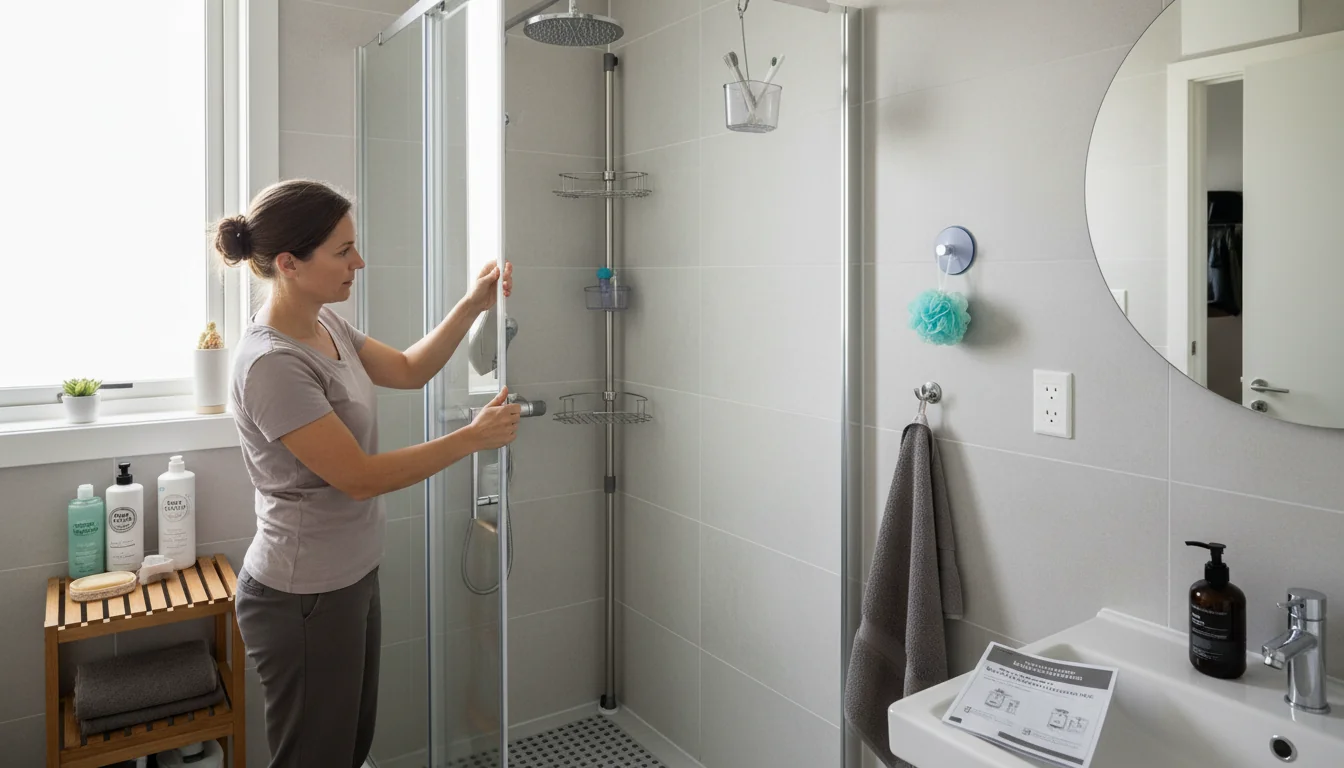
Support bars reduce falls, but drilling tile or fiberglass is classic property damage in rentals. Favor tension‑mounted poles or certified suction bars used strictly as balance aids, not full body‑weight anchors.
- Tension poles brace floor‑to‑ceiling with rubber pads; adjust without piercing grout or walls.
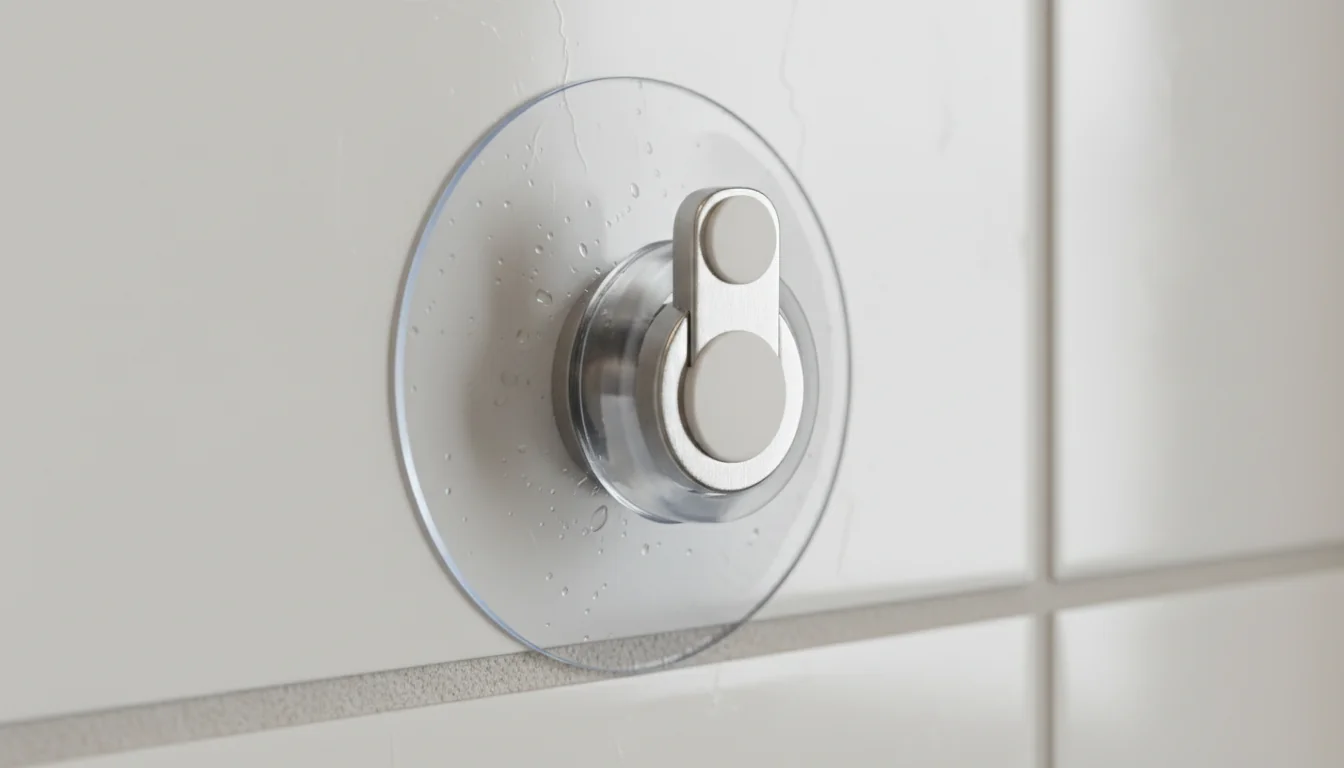
- Large‑pad suction bars need smooth, non‑porous tile and routine re‑seating; test before each shower.
- Strategic placement: hip‑height at entry, chest‑height inside for balance—not for full lifts.
- Get written permission for any fasteners; your lease likely treats drilled holes as alterations.
Suction bars are not a substitute for permanently anchored grab bars. Over‑reliance can cause injury and claims of negligence, even if no visible damage occurs.
Pair balance support with high‑grip flooring for older adults or anyone recovering from injury—consider a senior‑focused traction mat to stabilize foot placement without harming finishes.
Water control: splash safety, zero alteration
Puddles outside the tub cause slips and can warp floors—both a safety issue and a damage risk. Improve containment with removable solutions that avoid cutting, gluing, or breaching waterproof layers.
- Choose weighted curtains and low‑profile, removable splash guards for edges.
- Use silicone‑lip diverters rated “removable” to guide runoff back into the pan.
- Lay quick‑dry bath rugs outside; pick non‑skid backs that don’t bond to vinyl.
- Aim the showerhead toward the back wall; a simple angle cut splashes significantly.
Housing codes expect effective waterproofing. Tenants improve safety, but must avoid altering membranes or caulk in ways that could be deemed tenant‑caused deterioration.
For compact stalls, corner layouts leave more open floor and curb splashes. A traction piece shaped to nest into angles—like a corner‑fit mat—adds grip while keeping grout untouched.

Visibility: clear sight, no surface harm
Falls often follow poor visibility. Improve contrast and light without adhesives that stain or fixtures that pierce tile. Keep everything renter‑friendly to avoid deposit‑threatening damage.
- Place a bright, mold‑resistant curtain for a clear outline of thresholds.
- Use battery LEDs with removable pads; avoid hardwired installs in wet zones.
- Add a suction‑mount mirror outside the direct spray to prevent fog and slips.
- Choose mats with high‑contrast edges to define footing on wet surfaces.
Set lighting to auto‑on with a motion puck outside the curtain. Fewer dark entries, fewer missteps, and no new holes or wiring.
Good sightlines complement traction. Together they reduce slip probability without any permanent marks on the rental unit.
Cleaning for grip: safety without abrasion
Soap film, oils, and hard‑water scale turn showers slick. Cleaning boosts safety, yet harsh chemicals and scrubbing pads can etch tile and tubs—avoidable surface harm that jeopardizes deposits.
- Use pH‑neutral bathroom cleaners weekly; rinse mats to remove biofilm.
- Avoid vinegar or acids on natural stone; choose stone‑safe formulas.
- Skip steel wool and gritty powders that scratch enamel or acrylic.
- Squeegee glass and tile after showers to limit mineral buildup.
Bleach can discolor grout and damage rubber or silicone. If mold appears, ventilate, use a cleaner rated for your surface, and document conditions before escalation.
Consistent care preserves traction and reduces the need for invasive fixes that could be construed as tenant‑caused deterioration.
Lease & liability: safety, not repairs risk
In 2026, most residential leases and state laws still require landlords to maintain habitability—heat, hot water, plumbing, safe structures—while tenants must avoid causing damage and keep the rental sanitary. Safety upgrades should respect both sides.
- Check the lease and house rules before any modification; get written consent for drilling or adhesives.
- Use removable, non‑invasive options first; they reduce disputes about repairs and deposits.
- If a hazard exists (e.g., broken tile), notify your landlord in writing and request repairs promptly.
- Document with photos, dates, and emails; solid records help resolve landlord‑tenant issues.
“Repair and deduct” or withholding rent can be risky if procedures aren’t followed. Many tenant rights handbooks suggest written notice, reasonable time, and keeping rent funds reserved.
Your aim: reduce slip risk and puddles without altering finishes. That way, you protect yourself and the property, avoid claims of tenant‑caused damage, and keep the unit compliant with health and housing codes.
Guide 2026: safer shower, no damage
Need extra stability? A senior‑friendly mat can help while staying deposit‑safe. See non slip shower mat for senior you can lift out for drying.
- Photograph current surfaces (tray, tile, grout) for your records.
- Pick a no‑drill mat/support; confirm removable adhesives only.
- Clean, dry, and alcohol‑wipe install spots; avoid grout lines.
- Place, press, and test with body weight; re‑seat weekly.
- After each shower, squeegee and air‑dry to prevent residue.
Warm any micro‑suction pad with a hairdryer on low before removal. Slow peeling prevents surface damage.
Can I drill to add a grab bar?
Usually no. Drilling risks waterproofing and tile cracks, which count as damage. Choose tension or vacuum bars instead, and keep proof of removable installation.
Will suction mats stain my tub?
They can if left in place wet. Lift after use, rinse, and dry. Clean mild mineral film weekly to prevent rings that look like permanent damage.
What about walk‑in (Italian) showers?
Use a full‑coverage non‑adhesive base and outside drying mat. For larger pans, consider a walk‑in ready mat that adds grip without residue or grout stress.
How do I avoid adhesive residue?
Pick micro‑suction or removable gel pads. Clean with isopropyl alcohol before install. Warm and peel slowly to prevent surface harm when removing.
Could moisture lead to a fee?
Yes. Moldy caulk, swollen trim, or stained ceilings can be billed as tenant‑caused damage if linked to poor ventilation. Vent and dry after each use.
What cleaner is safest for acrylic bases?
Use a pH‑neutral shower spray and soft sponge. Avoid abrasive powders and hard pads that leave visible scuffs landlords treat as damage.
A safer shower in a rental is absolutely possible in 2026—no drilling, no residue, and no deposit drama.
- Choose removable grip and no‑drill supports.
- Control moisture to prevent hidden surface harm.
- Clean gently and keep written records.
If you need a longer mat footprint, explore extra long shower mat and pair it with no‑drill bars for balanced support.

0 comments